1. Safety check
Before sorting begins, the crew checks for hazards such as sharp objects, pests, mold and unstable piles. Protective gear is chosen to match.
Kula, HI · Maui County
Worried about a parent, a tenant or your own home in Kula, HI? Hoarding cleanup starts with a calm conversation. Call (877) 812-4220 to plan sorting, safe removal and deep cleaning at the resident's pace.
If anyone is in danger, call 911 first. For a suicide crisis, call or text 988.
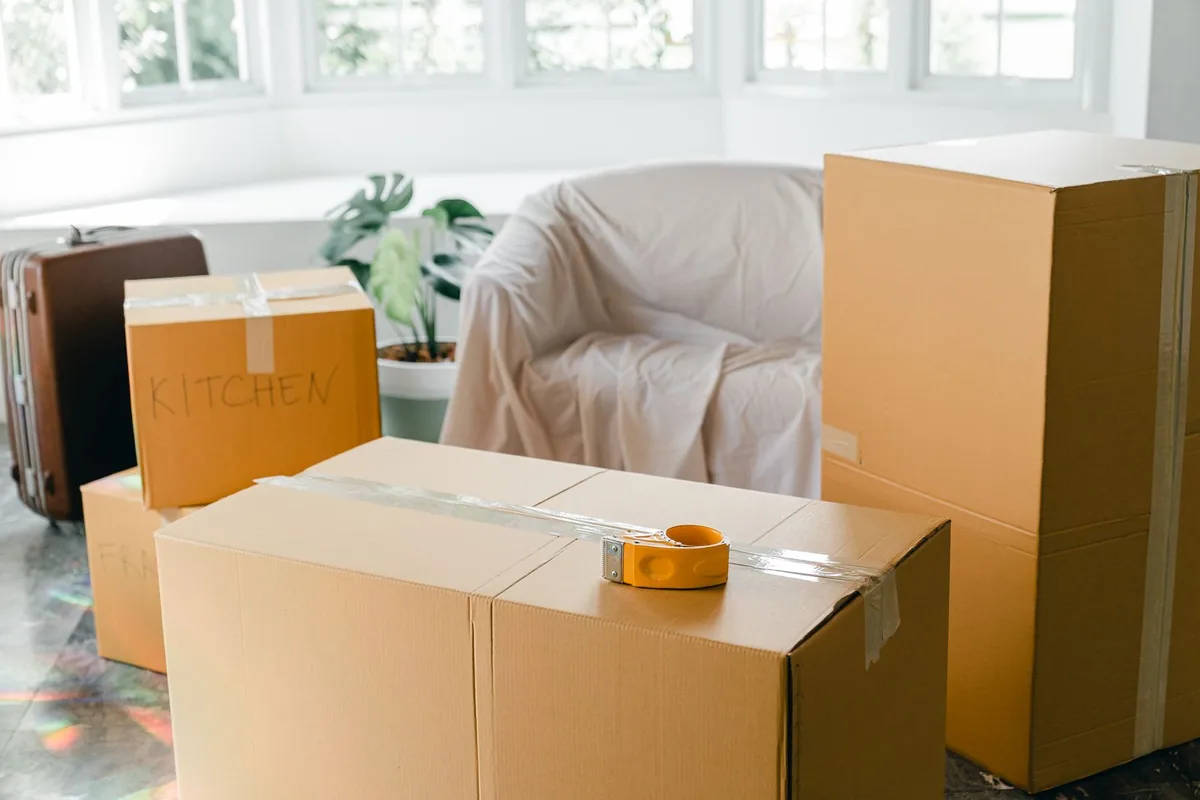
Hoarding is a recognized mental health condition, and hoarding cleaning is the practical side of recovering a home from it. Crews clear pathways, haul out released items and clean and disinfect the affected area.
Your house, mobile home, apartment or storage area in Kula can get hoarder cleanup that follows OSHA bloodborne pathogen rules when blood or sharp objects are found. Call Kula Biohazard Cleanup Help for help in Maui County.
With 26% of people in Kula sixty-five or older, many hoarding cleanups here involve a long-time homeowner and relatives who live far away. About 34% of households in Kula rent. Whether the home is owned or rented, the cleanup team works with the resident first.
A typical hoarding cleanup job includes:
Before sorting begins, the crew checks for hazards such as sharp objects, pests, mold and unstable piles. Protective gear is chosen to match.
Hauling routes are marked, trash bags and bins are set up, and protective equipment is put on. The neighbors are considered, too.
Belongings are sorted with the resident. Valuables and papers are set aside, and released items are bagged and hauled away.
The home is walked with the resident. The team points out what changed and what still needs attention.
Expect hoarding cleanup in Kula, HI to cost roughly $500 to $25,000, with the final price set after an on-site assessment.
Repairs after cleanup, such as flooring, drywall or pest control, are normally priced separately from the cleaning itself. The team can say what it expects to find.
| Type of job | Typical range |
|---|---|
| Level 4 | $5,000 - $15,000 |
| Level 3 | $2,000 - $5,000 |
| Level 2 | $1,000 - $3,000 |
| Level 1, light | $500 - $1,500 |
These ranges come from published cost guides (Dropcurb, Lifecycle Transitions) and are not a quote for Kula. Price drivers include level of accumulation, home size, whether exits and rooms are blocked, pests or animal waste. For a real number, call (877) 812-4220.
Hoarding is often described in levels, and level one is the lightest. Clutter is present but exits and pathways are open, utilities work and rooms can still be used. Higher levels bring blocked rooms, sanitation problems and safety hazards.
Most often the resident or the property owner pays, and family members sometimes share the cost. In a rental, the lease and local law decide between landlord and tenant. Some local aging services or housing agencies help in some places, so it is worth asking.
Avoid calling their belongings trash, saying the home is disgusting or telling them to just throw things out. Never move items without asking. Ask what matters most to them, listen, and offer to help at their pace.
Yes, cleanup covers the mess pests and mold leave behind, such as droppings, spoiled food and damaged materials. Pest control and mold remediation are separate trades, and you can ask the team when they are needed.
Hoarding disorder is a recognized mental health condition. Whether it counts as a disability for housing or work depends on the situation and the law. A tenant rights group, a housing agency or an attorney can answer for a specific case.
Hoarding disorder is a recognized mental health condition in its own right. Only a doctor or mental health professional can say what applies to a particular person. A cleanup team does not diagnose, and it treats every resident with respect.
Ask about sorting, hauling, cleaning and a pace that fits the resident.
Call (877) 812-4220